


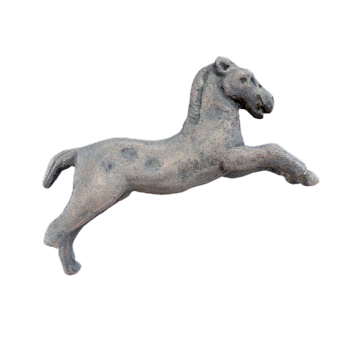
Ancient Roman bronze horse sculpture
This is an ancient Roman bronze horse sculpture in the collection of the Evora Museum. This work can be traced back to the ancient Roman Empire, about the 1st to 3rd centuries AD. The statue was found at a Roman site in Évora, Portugal, and is currently in the collection of the local Évora Museum. The sculpture captures the dynamic moment of the horse's leap, with its front legs off the ground and its hind legs bent and firmly supported on the ground, demonstrating the Roman artist's superb realistic skills and in-depth understanding of animal anatomy.

Terra Cotta Warriors
The Terra Cotta Warriors, namely the Terra Cotta Warriors in the the Mausoleum of the First Qin Emperor, also referred to as the Terra Cotta Warriors or the Terracotta Warriors, are the first batch of national key cultural relics protection units and the first batch of Chinese world heritage sites. They are located in the Terra Cotta Warriors pit 1.5 kilometers east of the the Mausoleum of the First Qin Emperor in Lintong District, Xi'an, Shaanxi Province. More than 200 foreign heads of state and government have visited and toured, becoming a golden business card of China's ancient glorious civilization and also known as one of the world's top ten rare ancient tombs.

Qing Dynasty handmade sculpture of peacock stone horse
This cultural relic is a Chinese horse carved from peacock stone, dating back to the 19th century, and is currently housed in the British Museum.

Popular Models
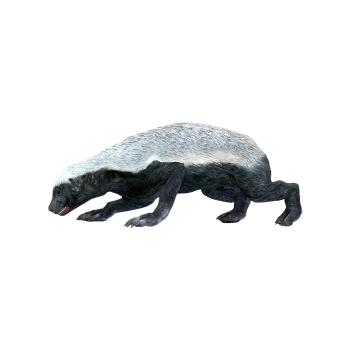
Honey Badger (3D animated model)
192 View
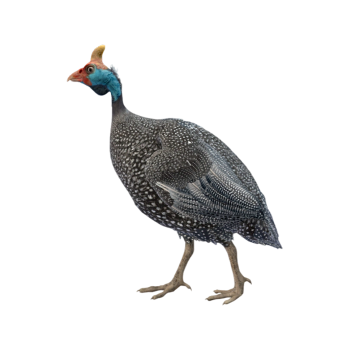
Guinea fowl (3D animated model)
163 View
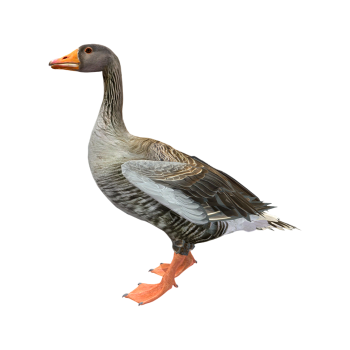
Wild Goose (3D animated model)
185 View
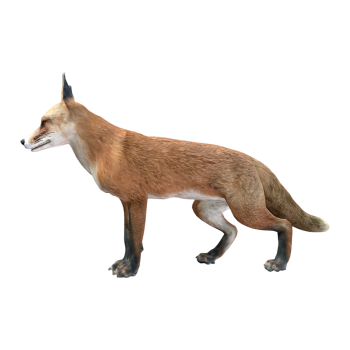
Red Fox (3D animated model)
153 View
Random Model
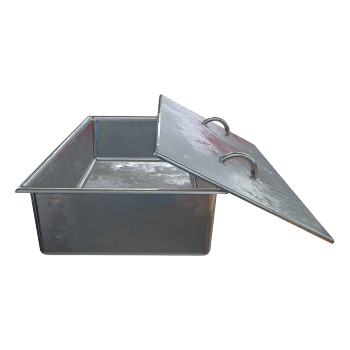
Tin square lunch box
762 View

Gorgeous wine colored round fan crab
739 View

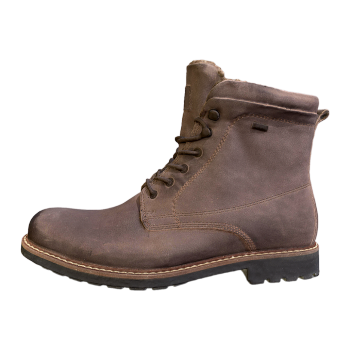
Adidas Pisco winter shoes
697 View


Muscle Drag Racing
721 View

Old metal kettle
886 View

German HortenPlane fighter
753 View

Saint Germain single ear wine jug
1050 View